
Publication date: 21 August 2026
Estimated reading time: 3 minutes
Wearable technology has moved beyond being a novelty.
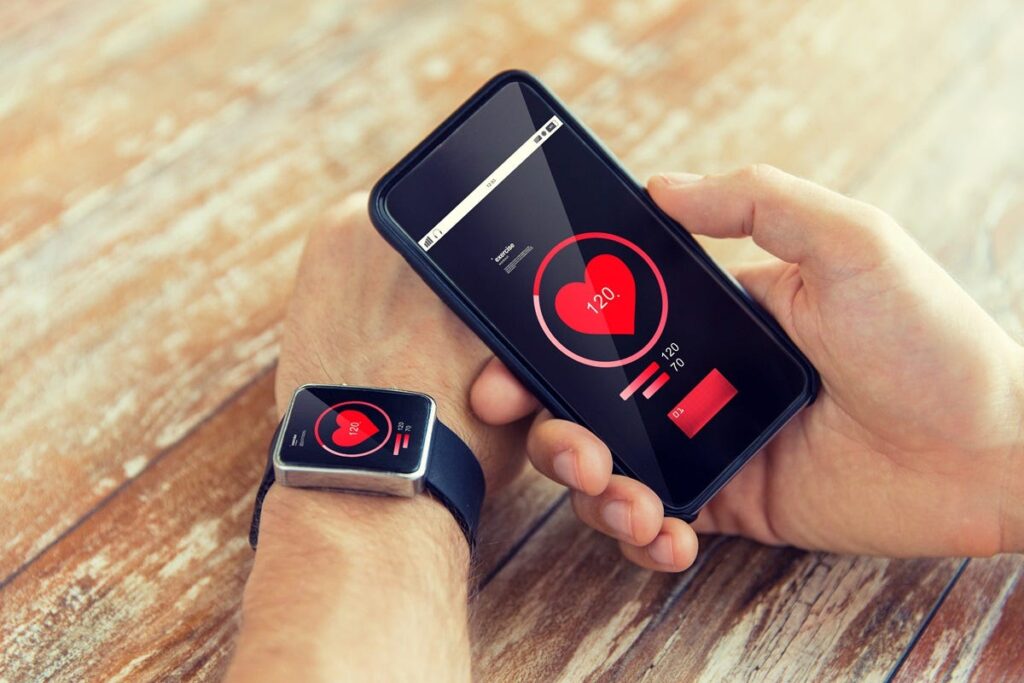
Smartwatches, fitness trackers, smart rings and other connected devices are becoming part of how people interact with technology.
These devices can display information, connect to smartphones, monitor activities and provide convenient access to digital services.
For Bwanika Daniel, wearable technology is another example of how technology is becoming integrated into everyday life. As I continue building Bwanika.com, I am interested not only in software and websites, but also in the technologies changing how people interact with digital systems.
What is wearable technology?
Wearable technology refers to electronic devices designed to be worn on the body.
Common examples include:
- Smartwatches
- Fitness trackers
- Smart rings
- Connected glasses
- Sports wearables
- Other specialised wearable devices
Many of these devices connect to smartphones or online services to provide additional features.
Smartwatches are becoming more capable
A modern smartwatch can do much more than tell the time.
Depending on the device, users may be able to:
- Receive notifications
- Make or answer calls
- Track activities
- Use navigation
- Monitor certain body-related measurements
- Make payments
- Access applications
This makes the smartwatch a small computing device that stays with the user throughout the day.
Smart rings are gaining attention
Smart rings offer another approach to wearable technology.
Instead of using a screen like a smartwatch, some smart rings focus on sensors and information that can be viewed through a connected application.
Their smaller size can make them attractive to people who want wearable technology without wearing a watch.
However, capabilities vary significantly between products.
Wearables and artificial intelligence
AI is also becoming increasingly relevant to wearable technology.
AI can potentially help devices and their companion applications interpret information, personalise experiences and make digital interactions more useful.
But users should understand what information a device collects, where it is stored and how it is used.
Convenience should not come at the expense of understanding privacy.
Privacy is an important issue
Wearable devices can collect sensitive information depending on their features.
Before purchasing or using a wearable, consider:
- What data does it collect?
- Where is the data stored?
- Who can access it?
- Can data be deleted?
- What permissions does the companion app request?
These questions are especially important when devices are connected to online accounts.
Wearable technology in the UAE
The UAE has a highly connected population and strong interest in digital technologies.
That creates an environment where connected devices can become part of everyday digital experiences, from communication and payments to transport and other smart services.
The wider development of smart-city technology in the UAE also shows how personal devices can exist within increasingly connected digital environments.
What does this mean for developers?
Wearables create another platform for software developers.
Developers can work with:
Mobile apps + cloud services + sensors + APIs + wearable devices
This creates opportunities for programmers interested in building applications that interact with real-world devices.
For someone developing skills in programming and digital solutions, wearable technology is therefore more than a consumer trend.
It is also a software-development opportunity.
What happens next?
Wearable technology will continue developing as manufacturers introduce new hardware and software capabilities.
The most interesting question isn’t simply how many features manufacturers can add.
It is whether those features genuinely make technology more useful.
The future of wearables will likely depend on a combination of:
Useful technology + good design + privacy + security + convenience
How it connects to Bwanika.com
Technology is becoming increasingly interconnected.
A website connects to applications.
Applications connect to cloud services.
Cloud systems connect to AI.
Wearable devices can connect to many of these systems as well.
As I continue building Bwanika.com, I want to explore these connections and document how technology is changing the way we work and live.
Building the Bwanika name in technology isn’t only about web development. It’s about understanding the wider technology ecosystem.
Key Takeaways
- Wearable technology includes smartwatches, rings, glasses and other connected devices.
- Modern wearables can provide communication, activity tracking and digital services.
- AI is becoming increasingly relevant to connected devices.
- Privacy and security should be considered before using a wearable.
- Wearables create new opportunities for software developers.
- The most valuable technology is technology that solves real problems.
Technology is becoming smaller, more connected and increasingly integrated into everyday life.
I’ll continue exploring these developments through Bwanika.com as I build my technology knowledge and the Bwanika Daniel brand.
Explore more technology trends, ICT, AI and digital solutions on Bwanika.com.